Comprehending Peptide Pureness: What 99%+ Really Indicates
Peptide Quality Control & Purity Testing Boc Sciences
Keeping a high degree of purity is crucial due to the fact that impurities can affect bioassays or reactions. For instance, truncated peptides or chemically modified side-products might bind to targets or generate side effects that amaze your outcomes. Specifically customized peptides or cyclic peptide series are hard to validate, which affects quality control. We integrate LC-MS/MS and enzymatic food digestion analysis to exactly verify the sequence and adjustment sites of non-natural modified peptides. Residual organic solvents, steel ions, or spin-offs from synthesis might create hazardous negative effects.The pureness of peptides is usually evaluated using high-performance fluid chromatography (HPLC). HPLC divides peptides based on their communications with a fixed phase, enabling pollutants and byproducts to be identified and quantified. Additionally, mass spectrometry (MS) can be made use of to verify the peptide's molecular weight and series, offering more confirmation of purity by finding contaminants and degradation items. If you have actually ever acquired a synthetic peptide for a laboratory experiment, you've likely saw a pureness percentage on the certificate of analysis-- generally values like 95%, 98%, and even 99%. Peptide pureness is a vital top quality metric that informs you what portion of a peptide sample is the desired item versus unwanted spin-offs.
Residuals Testing
- Together, HPLC and MS data enable experts to confirm that the peptide's structure matches what it must be (appropriate amino acid series and expected alterations) and that no significant contaminants exist.
- Methionine can be oxidized to methionine sulfoxide; cysteine can form undesirable disulfide bonds or be oxidized to sulfinic or sulfonic acid by-products.
- If the target peptide's height represent 99.1% of the total height area, the peptide is reported as 99.1% pure by HPLC.
- BOC Sciences, with its durable logical platform and specialist group, concentrates on quality testing solutions for peptide resources, peptide microspheres, peptide nanoparticles, and peptide formulation preparations.
Determining peptide pureness is typically finished with analytical high-performance fluid chromatography (HPLC), frequently paired with mass spectrometry (MS) for identity verification. These logical techniques are standard in peptide quality assurance and you will generally receive HPLC and MS data with a study peptide order. The primary analytical techniques for peptides include fluid chromatography (LC), typically HPLC, incorporated with mass spectrometry (MS) for accurate molecular weight resolution and sequence recognition.
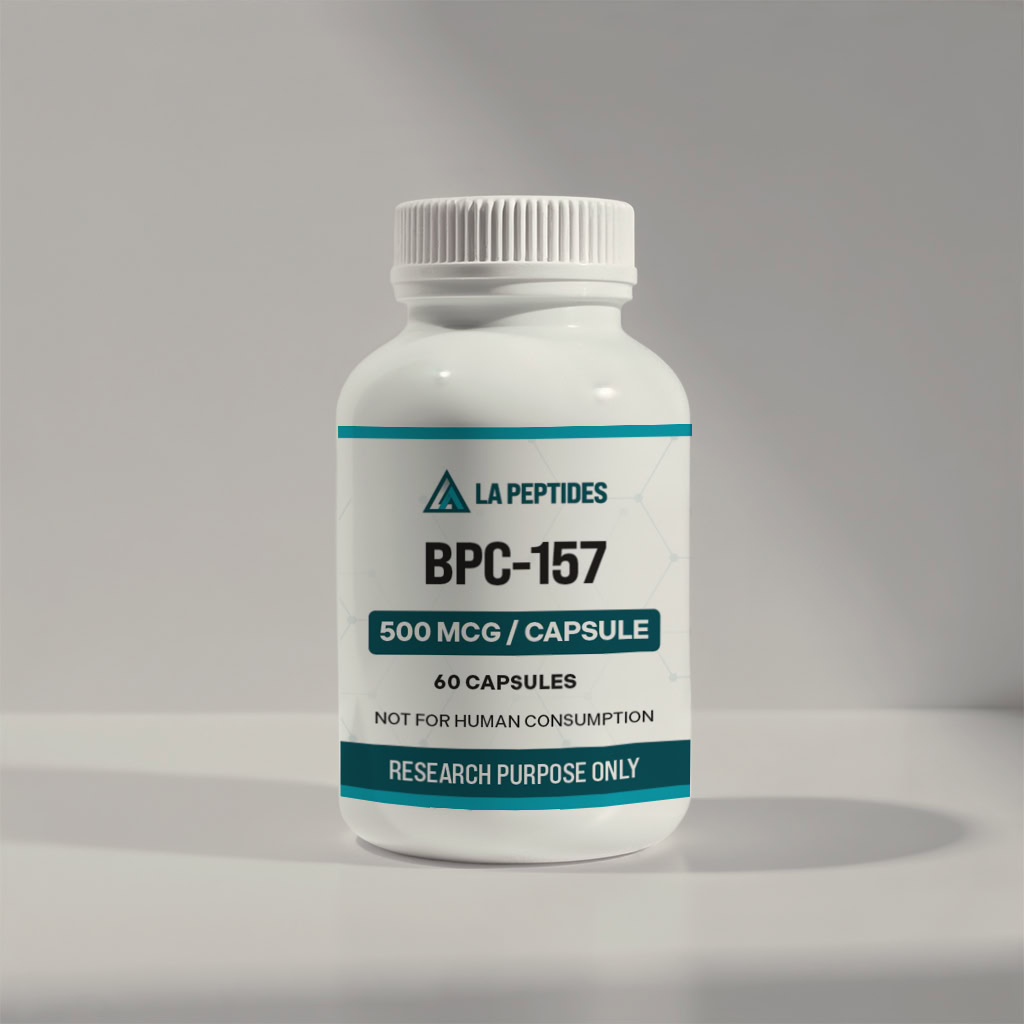
Efficiency Cookies
Peptide pureness refers to the quantity of the proper peptide in the peptide product. Nonetheless, for complete top quality analysis or the characterization of peptides for a range of applications, added analytical tests are advised. For example, in order to make sure success in different peptide experiments, it may be necessary to get rid of trifluoroacetic acid (TFA), or to review the solubility of hydrophobic peptides prior to executing the called for experiments. Throughout the discovery, we use RP-HPLC incorporated with MS to figure out the molecular weight of the peptide. The outright quantity of the right peptide in an example is the product of the peptide content and the peptide pureness. BOC Sciences has a top-tier peptide quality testing system, integrating sophisticated logical modern technologies and high-end instrumentation to give accurate and effective peptide quality evaluation solutions.
Additionally, keep in mind that "research-grade" peptides are implied for the laboratory bench and include high pureness and identity checks but are not produced as medications. Constantly inspect that your peptide features proper logical data (HPLC chromatogram and MS results) and is identified for The original source research usage. Equipped with this expertise, you can confidently translate labels like "95% pureness, study grade" and make use of those peptides to drive your experiments without confusion. Understanding of pureness levels will certainly likewise lead you if you ever before need a greater purity peptide for a specifically sensitive assay. Ultimately, getting the purity degree right suggests more reputable science-- and that's the utmost objective for any type of researcher. With years of logical screening experience and advanced instrument systems, BOC Sciences provides detailed peptide quality screening services across the entire procedure from basic materials to solutions.
Examinations can be performed utilizing high-precision stablizing chambers, replicating different environments, and applying global requirements to research short-term and long-term Extra resources stability, essential for constant peptide efficiency. Some peptides fail not because the sequence is wrong, yet since their physical habits in actual solvents is improperly recognized. We give physical residential property screening that assists teams work better with tough samples. Mass spectrometry confirms whether the determined mass matches the anticipated peptide mass. The chromatogram is the most important aesthetic data element on an HPLC peptide examination report. It is a chart with time on the horizontal axis and detector action, generally UV absorbance, on the upright axis. BOC Sciences, with its robust analytical platform and specialist team, focuses on quality testing solutions for peptide raw materials, peptide microspheres, peptide nanoparticles, and peptide formula preparations. We collaborate with biotech, pharmaceutical, CRO, CDMO, and academic teams on peptide chemical and physical evaluations that sustain research and non-clinical choice making. Contact us today to discuss your peptide sequence, sample standing, and logical objectives.