Exactly How Are Peptides Checked? Hplc, Coa & Pureness Clarified 2026
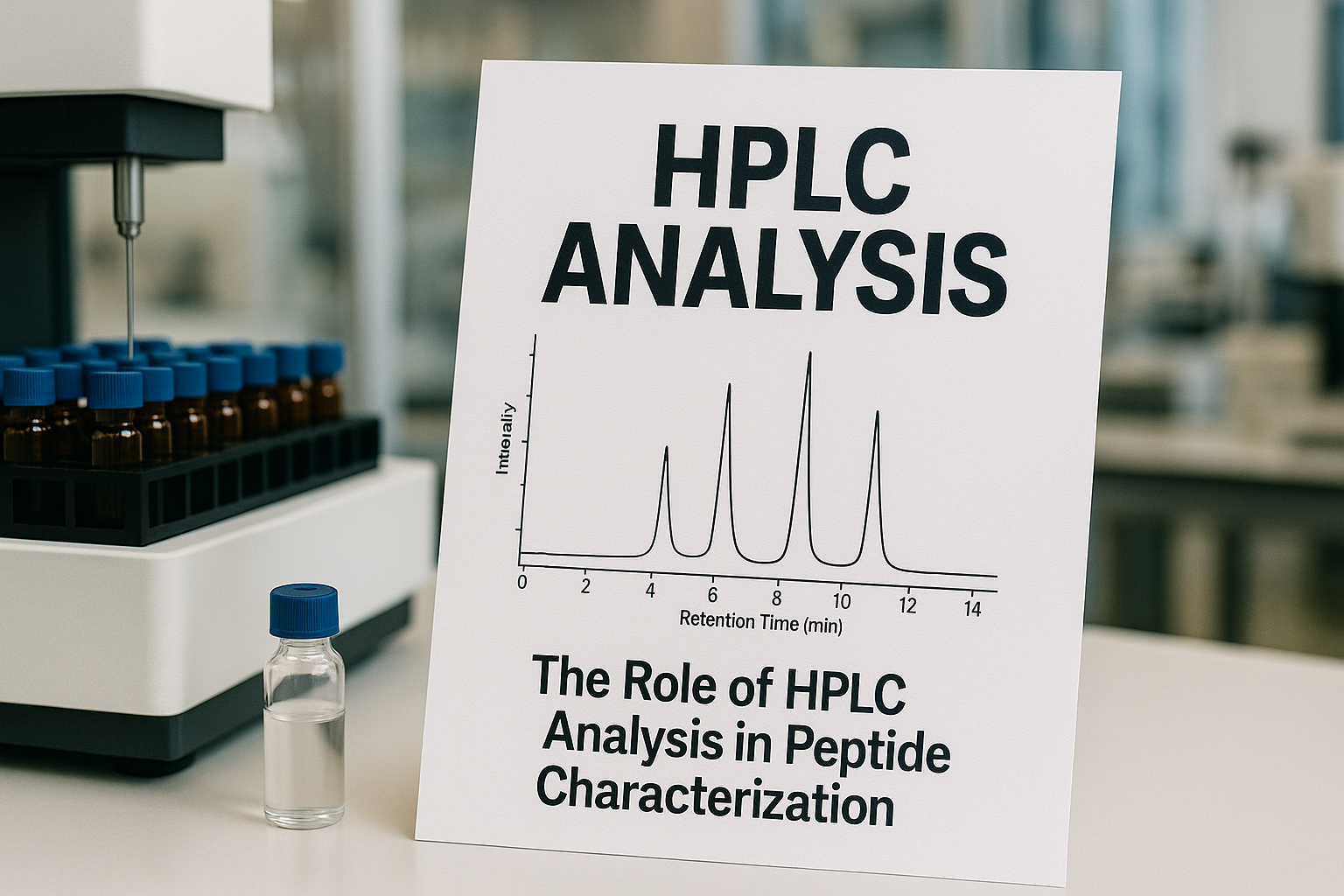
Why Hplc Pureness Testing Issues For Study Peptides 2026 Every study peptide provided by Peptides Lab UK is independently evaluated and third-party confirmed to confirm peptide purity, molecular stability, and authenticity. This ensures that every vial satisfies the greatest lab criteria prior to getting to researchers throughout the UK and Europe. HPLC pureness tells you what percent of the peptide sample is the target peptide versus contaminations (truncated series, removal peptides, oxidation products).
Just how much does peptide HPLC testing price?
The cost of peptide analysis solution varies dramatically based upon which techniques your regulatory plan needs: HPLC-UV Evaluation: $& #x 24; 300 & #x 2013; & #x 24; 800 per sample (standard pureness assessment) LC-MS (Liquid Chromatography-Mass Spectrometry): $& #x 24; 600 & #x 2013; & #x 24; 1,500 per sample (molecular weight verification).
When Is Hplc Approach Growth, Validation, And Hplc Analysis Utilized?
The System Viability Test (SST) is used to verify that a logical approach was suitable for its designated objective of the day for the evaluation was done. It is a vital specification to make sure the top quality of the procedure for proper measurements. System suitability verifies Synthetic Peptides that the system is functioning flawlessly prior to the evaluation on HPLC or any various other system, and it is needed to be done before every example evaluation. Peptide purity refers to the percentage of the desired peptide about all observable parts in an example. Pollutants stem from synthesis faults, deterioration, incomplete deprotection, abbreviated versions, oxidation, or example handling.- The table below is the sensible way to consider usual examinations when reviewing a peptide COA.
- We will pick the most ideal elution solvent for you according to your example features, example kind and the solvent you utilize to dissolve the example.
- A modern-day HPLC system includes several integrated components, each serving a particular feature in the separation and detection process.