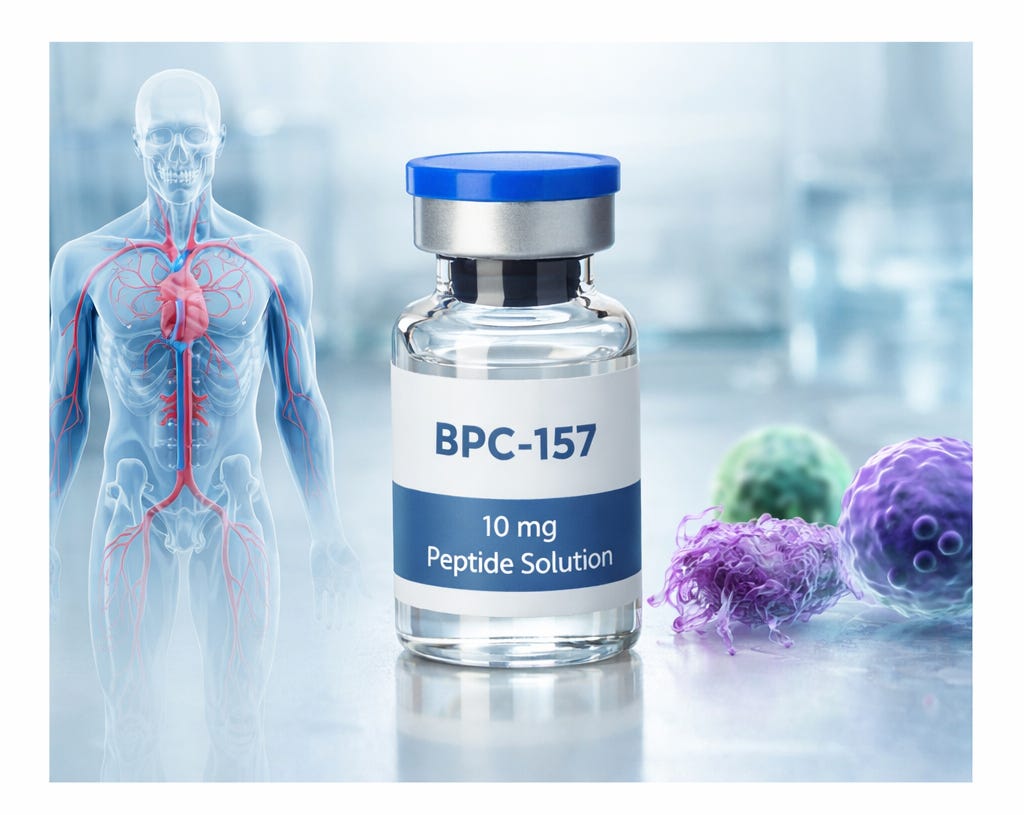
Storing Research Study Peptides In Labs
Storage Space And Handling Of Peptides Aapptec In addition, in previous reports using AAA of unrefined peptidepreparations to evaluate content without a desalting action were jeopardized byresidual scavenger reagents (42 ). Table 4 contrasts the AAA of the high andlower purity peptides received Fig. The visibility ofpeptide species without the N-terminal residue is consistent with the lowercontent of Phe in the lower pureness preparation. Some amino acids were notdetected well in either the high or lower purity samples.
What counteracts peptides?
Salicylic acid''s exfoliating activity might destabilize the peptides, diminishing their skin-repairing benefits. Referral: To prevent any type of communication, use salicylic acid and peptide items at various times. For example, incorporate salicylic acid in your early morning routine and peptides in your evening routine.
Picking The Proper Solvent
Focus might be expensive for the peptide's solubility limitation. If none of these apply, the peptide may be aggregated or harmed, stopping typical dissolution. Preserving documents of appearance at storage and in time helps determine refined changes. Adding BSA or other carriers changes the solution composition and may present variables if research study results rely on pure peptide options. Usage carrier proteins when their stabilizing benefits exceed any kind of compositional worries. Proper storage space hence ensures lasting peptide security and avoids costly loss of activity. There are also particular dealing with precautions to take throughout lasting storage which includes maintaining your lyophilized Scientific Research peptide vials snugly secured with a desiccant pack. These packets function as desiccants, absorbing residual dampness to produce a low tide task setting that mitigates the threat of hydrolysis and maintains the architectural stability of the peptides.- The lyophilizates in vacuum-sealed vials are adequately steady to tolerate 3-5 days at ambient temperature.
- Hydrolysis makes peptides typically unpredictable in liquid options.
- Treatment must be taken, though, with the variety of freeze-thaw cycles since the exposure to ice crystals might disrupt the delicate peptide structure.
- Do not save frozen peptide services in a frost-free freezer.
- Excessive moisture, visible clumping, or sticky appearance indicates improper storage or seal failing.
Recommendation Materials: Boosting The Harmonization Of Protein Measurements
BAC water includes Benzyl Alcohol which stops microbial development after reconstitution. Nevertheless, the Benzyl Alcohol is a denaturant and may undercut sensitive peptides. For these factors, reconstituted peptides are recommended to be utilized 4-8 weeks after reconstitution, despite solvent. Research study peptides are Homepage synthetic or recombinant amino acid chains utilized as laboratory research study materials in biochemical researches, cell biology experiments, and medicinal investigations. Mistakes during peptide synthesis and deterioration products of thepeptide are possible impurities. An LC-MS/MS analysis of the peptide need to beperformed to determine if peptide pollutants exist and to offer a roughestimate of their amounts relative to the analyte peptide. If loved one content ofpeptide pollutants are high, a purification of the analyte peptide ought to beperformed prior to AAA. Scent the solution, as microbial contamination generates off-odors. Reduced noticeable potency without noticeable adjustments recommends unseen deterioration. When unsure, dispose of and replace instead of running the risk of jeopardized research. For researchers keeping peptide collections or collaborating with products that have to last months to years, storage optimization comes to be vital. This matters most for really water down solutions where peptide loss to surface areas stands for a substantial percent of total material.Myth # 1: Peptides Deteriorate Swiftly At Room Temperature Level
For cruise ships and resorts, mark a personal drawer or lockable case and shop far from straight light. Maintain paperwork (tags, prescriptions) with the kit for smooth re-boarding and personalizeds conversations. For lengthy days out, cover vials in an opaque sleeve or place them in a dark area. Change labels that reveal wear; a clear label is important for security and tracking. Prevent solvents on tags and caps; make use of a completely dry, tidy fabric for regular wipe-downs. Comprehending these deterioration paths allows research laboratories to create storage space methods that minimise instability and maintain peptide stability for analytical and experimental applications. As reviewed over, the pH is an importantparameter for peptide solubilization. Initial reconstitution is ideal performedin water by adjusting the pH based upon the primary amino acid sequence with asmall amount of organic solvent added to help solubilization. Barriers such as PBSshould not be used for reconstitution because salts prevent solubility. If saltsolutions are wanted for the last solution, they are best added once thepeptides are fully solubilized. The quick temperature modification can cause healthy protein precipitation, noticeable as cloudiness or fragments in your option. A clean, well-lit workspace forms the foundation of appropriate peptide handling. A gotten rid of counter top, wiped down with alcohol, suffices for many research study applications.